
"(Music therapy) can make the difference between withdrawal and awareness,
between isolation and interaction,
between chronic pain and comfort --
between demoralization and dignity."
Barbara Crowe
What is Music Therapy?
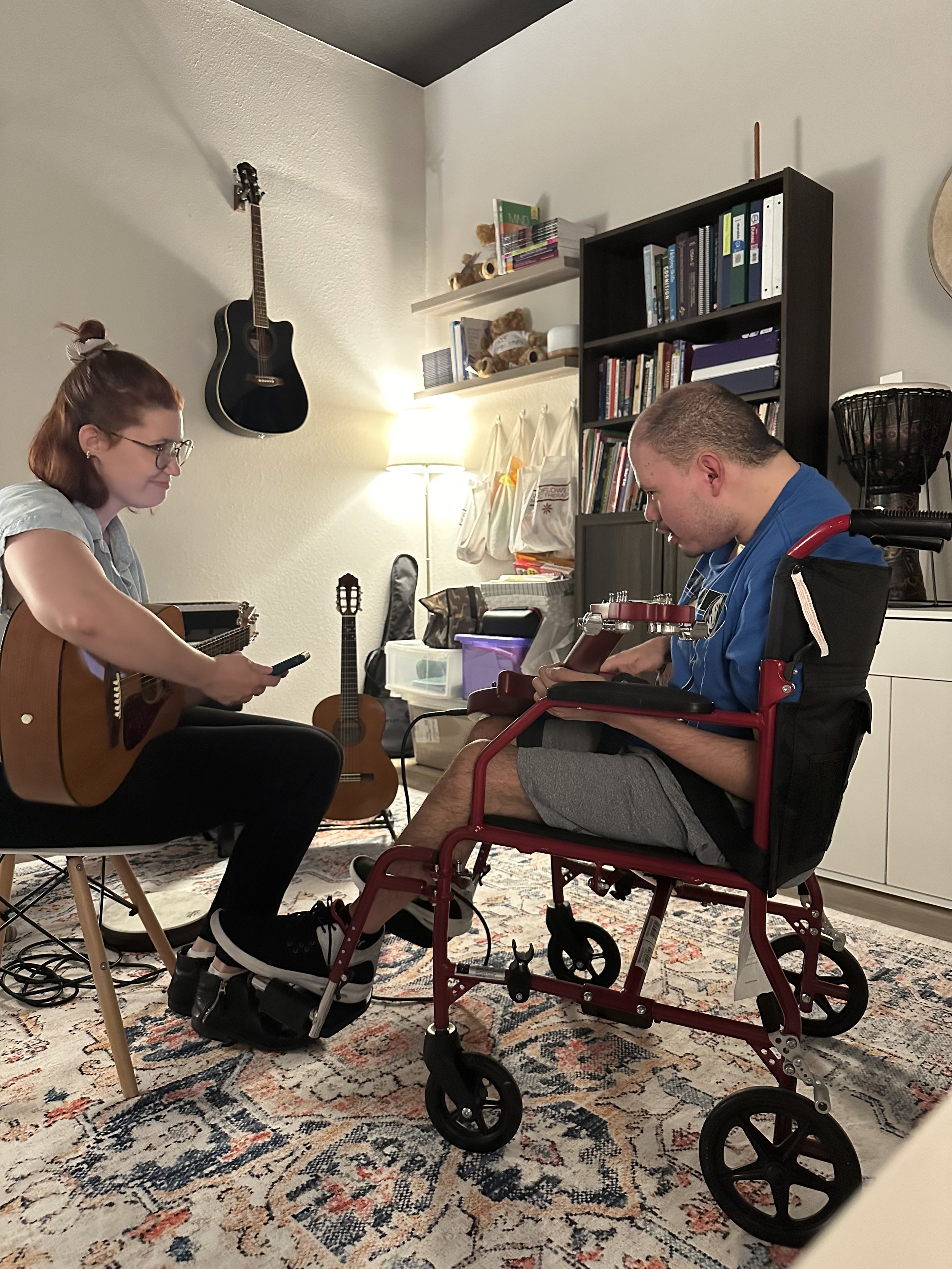
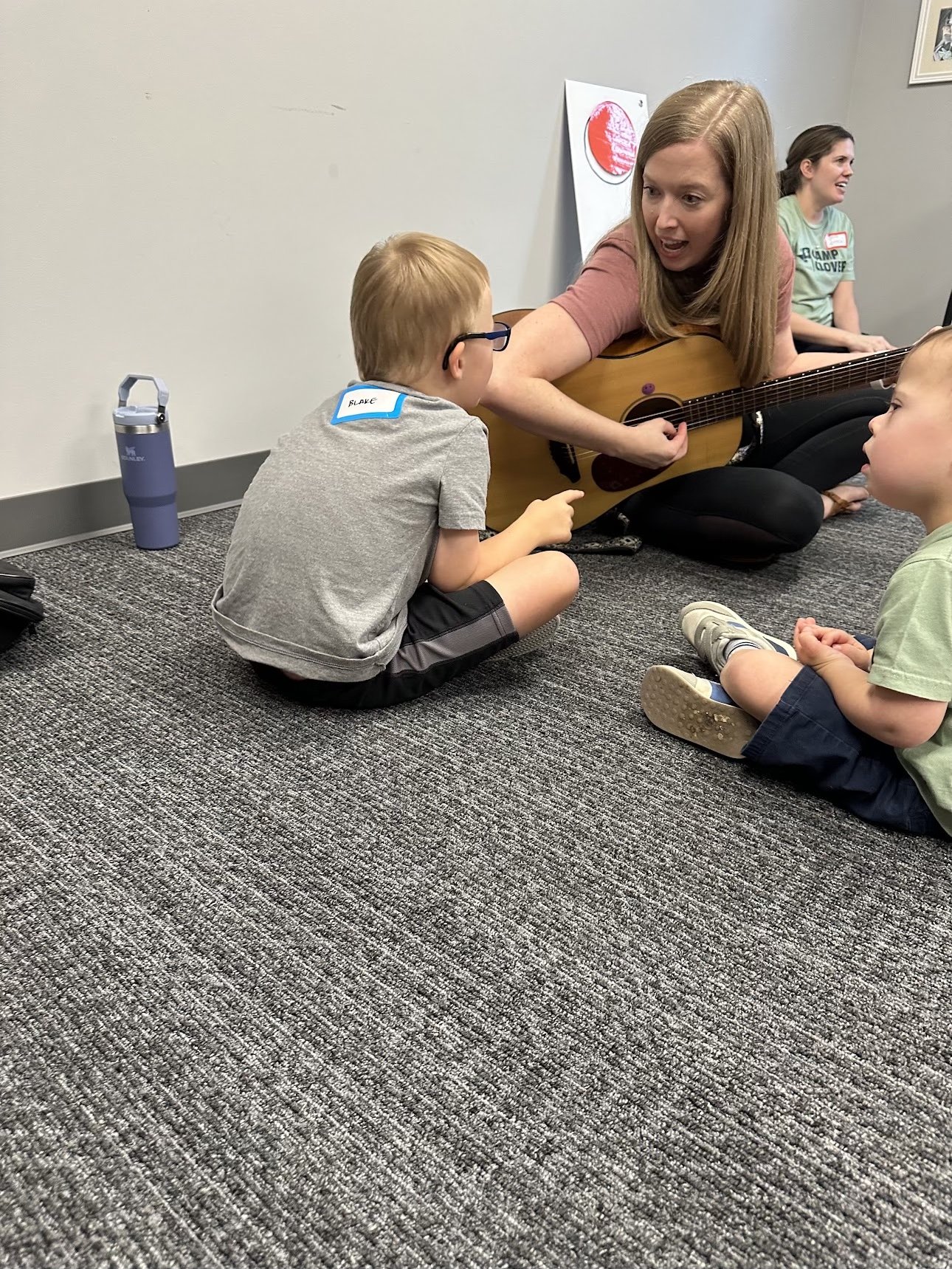
Music Therapy is the clinical and evidence-based use of music interventions to accomplish individualized goals within a therapeutic relationship by a credentialed professional who has completed an approved music therapy program.
Music Therapy goals can address:
Cognitive needs
Language/Communication development
Gross & fine motor development
Social/Emotional skill enhancement



Who are Music Therapists?
A professional music therapist is an individual who holds a bachelor's degree or higher in music therapy from an American Music Therapy Association (AMTA) -approved university program. These programs require music therapy students to complete 1200 hours of clinical training, including a supervised internship.
Upon completion of the bachelor's degree, music therapists are eligible to sit for the national board certification exam to obtain the credential MT-BC (Music Therapist - Board Certified) which is necessary for professional practice.

What do Music Therapists do?
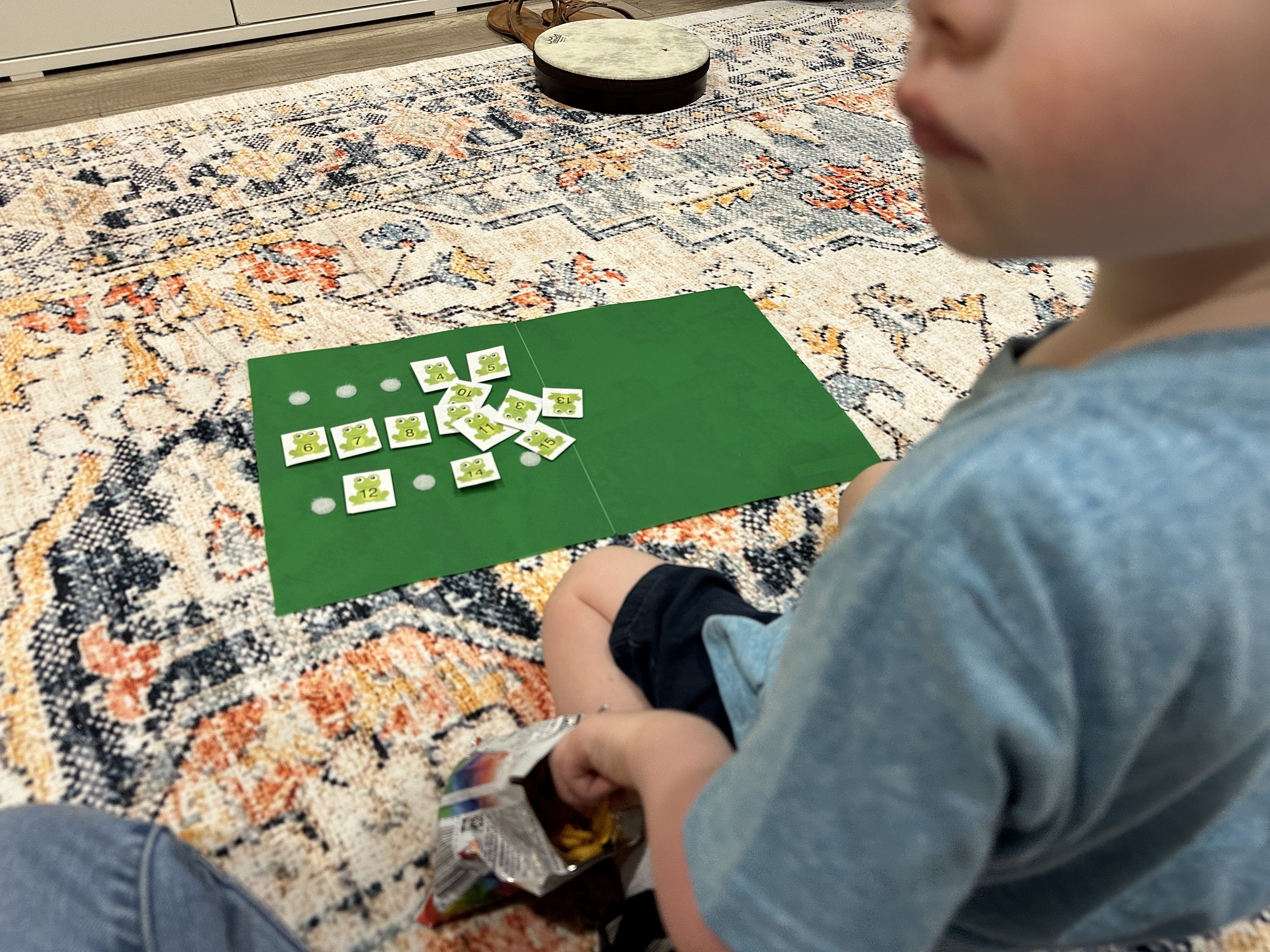
Music therapists utilize a variety of evidence-based interventions to attain specified goals and objectives. Such interventions include, but are not limited to:
Songwriting
Lyric analysis
Musical improvisation
Instrument learning
Music and movement
Learning through music

Adapted music lessons
Communicating through music
Music-guided relaxation
Group drumming
Music listening
Where do Music Therapists Work?
Psychiatric hospitals
Rehabilitative facilities
Medical hospitals
Public/private schools
Outpatient clinics
Day care treatment centers
Agencies serving persons
with developmental disabilities
Community mental health centers
Drug and alcohol programs
Senior centers
Nursing homes
Hospice programs
Correctional facilities
Halfway houses
Private practice